Yarn Dyeing Methods Guide for Knitwear Buyers

Yarn Dyeing Methods Guide for Knitwear Buyers
A scarf with perfect, consistent color. A beanie with subtle tonal variation. A yarn with multiple colors along its length. These effects come from different dyeing methods.
The way yarn is dyed affects color consistency, color fastness, cost, lead time, and the final look of your product. This guide explains the most common yarn dyeing methods for knitted scarves and beanies.
1. Why Dyeing Method Matters
Before yarn becomes your scarf or beanie, it must be colored. The dyeing method you choose affects:
- Color consistency: Some methods produce more uniform color than others
- Color fastness: How well the color resists washing, rubbing, and light
- Lead time: Custom dyeing adds 2-4 weeks vs. stock yarn
- Cost: Custom colors and certain methods increase price
- Minimum order quantity: Dyeing has batch minimums (50-300kg per color)
Stock yarn = ready to use, faster, lower MOQ, limited colors
Custom dyed = exact color match, longer lead time, higher MOQ
2. Stock Yarn (Ready-to-Use)
Description: Yarn that the factory already has in inventory, already dyed in standard colors.
Process: Factory orders pre-dyed yarn from mills. Colors are from the mill's standard color card.
Advantages:
- Fastest — no dyeing lead time (immediate availability)
- Lower MOQ — can order as little as 50-100kg per color
- Lower cost — no custom dyeing charges
- Color consistency — mill has already perfected the formula
Disadvantages:
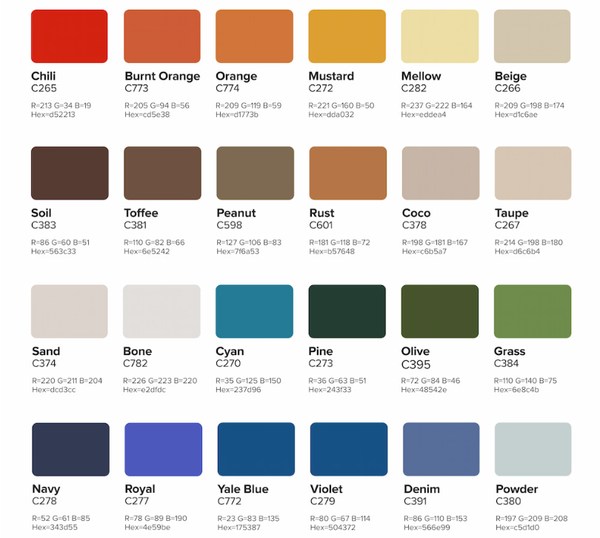
- Limited colors — only standard colors from mill's color card
- Cannot match your specific Pantone exactly
- Color may not be available for reorders if mill discontinues
Best for: Basic colors (black, navy, gray, white, beige), smaller orders, faster turnaround.
3. Custom Dyed Yarn
Description: Yarn dyed specifically to your color specification (e.g., Pantone number).
Process: Factory sends your color standard to yarn mill. Mill creates lab dip for approval. Once approved, mill dyes the batch.
Advantages:
- Exact color match to your brand's specifications
- Any color possible (within fiber limitations)
- Consistent across reorders (if same formula used)
Disadvantages:
- Longer lead time — add 2-4 weeks for dyeing
- Higher MOQ — typically 200-500kg per color (depends on fiber)
- Higher cost — dyeing charges ($1-3 per kg additional)
- Lab dip sampling required (adds 1-2 weeks)
Best for: Brand-specific colors, large orders, products requiring exact color matching.
4. Yarn Dyeing Methods
When yarn is custom dyed, different methods produce different results.
Hank Dyeing (Skein Dyeing)
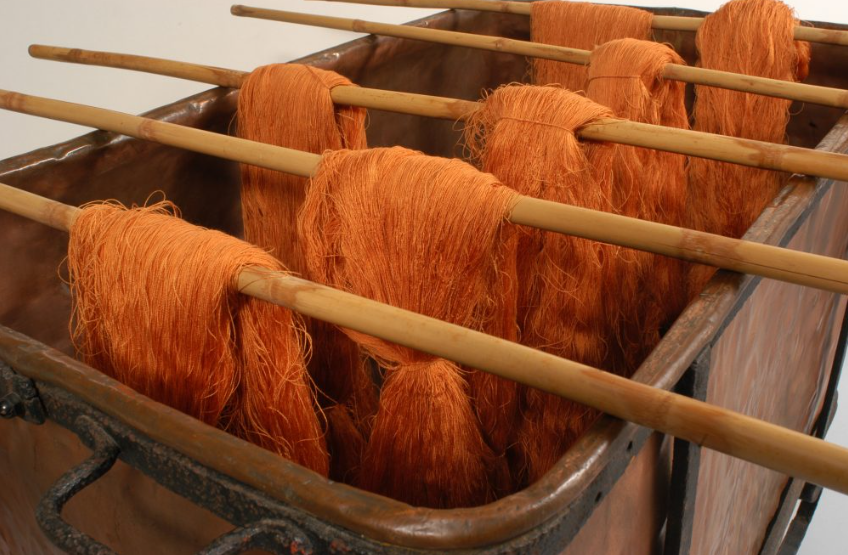
Description: Yarn is wound into loose loops (hanks) and dyed in large vats. The hanks are submerged and dye liquor circulates through them.
Characteristics:
- Excellent dye penetration — color reaches the core of the yarn
- Very soft hand feel — the loose form keeps yarn soft
- Best for delicate fibers (wool, cashmere, angora)
- Higher cost — more labor-intensive
- Lower color consistency risk than package dyeing
Best for: Wool, cashmere, alpaca, luxury fibers.
Package Dyeing (Cone Dyeing)
Description: Yarn is wound onto perforated cones (packages). Dye liquor is forced from inside the cone outward through the yarn.
Characteristics:
- Very efficient — high volume, lower cost
- Good color consistency
- More compact — less storage space
- Can cause slightly firmer hand feel than hank dyeing
- Most common method for cotton, acrylic, polyester
Best for: Cotton, acrylic, polyester, large volume production.
Space Dyeing (Multi-Color Yarn)
Description: Yarn is dyed with multiple colors along its length, creating segments of different colors. The result is a variegated yarn.
Characteristics:
- Creates unique, artistic effects
- Each scarf is slightly different (no two identical)
- Higher cost — specialized process
- Longer lead time
- Limited to certain fiber types
Best for: Fashion-forward scarves, art yarn products, premium beanies.
Dip Dyeing
Description: Yarn is partially dipped in dye, creating an ombre or gradient effect along the length.
Characteristics:
- Creates gradient/ombre effects
- Hand-crafted appearance
- Lower volume, higher cost per kg
- Less color consistency — each batch may vary
Best for: Small batch fashion scarves, artisanal products.
5. Dyeing Method Comparison
| Method | Color Consistency | Hand Feel | Cost | Best Fibers |
|---|---|---|---|---|
Let me provide that table clearly:
Dyeing Method Comparison
| Method | Color Consistency | Hand Feel | Cost | Best Fibers |
|---|---|---|---|---|
I'll present the comparison as text:
Dyeing Method Comparison
- Hank dyeing: Excellent consistency, very soft hand feel, higher cost. Best for: Wool, cashmere, luxury fibers.
- Package dyeing: Good consistency, slightly firmer hand feel, lower cost. Best for: Cotton, acrylic, polyester, large volumes.
- Space dyeing: Variable consistency (intentional), standard hand feel, higher cost. Best for: Fashion scarves, art yarns.
- Dip dyeing: Variable consistency (gradient effect), standard hand feel, higher cost. Best for: Ombre effects, small batches.
6. Dye Types by Fiber
Different fibers require different dye types:
For Wool, Cashmere, Silk (Protein Fibers):
- Acid dyes: Most common. Good color fastness, bright colors.
- Reactive dyes: For wool, less common but good fastness.
For Cotton, Linen (Cellulosic Fibers):
- Reactive dyes: Best color fastness, brightest colors, most common.
- Vat dyes: Excellent fastness, used for specific shades (navy, olive).
- Direct dyes: Lower cost, poorer fastness — avoid for quality products.
For Acrylic, Polyester (Synthetic Fibers):
- Basic dyes: For acrylic, good fastness.
- Disperse dyes: For polyester, requires high temperature.
7. Color Matching Process
For custom colors, the process follows these steps:
- Submit color standard: Pantone number or physical swatch
- Lab dip (first attempt): Mill dyes a small sample (1-2 weeks)
- Review and feedback: Accept or request adjustments
- Revised lab dip: If needed, another sample (3-5 days)
- Approval: Sign off on final lab dip
- Bulk dyeing: Mill dyes full order (2-4 weeks)
Total custom color lead time: 3-6 weeks from request to dyed yarn ready for knitting.
8. Color Fastness by Dye Method
Different dye methods and dye types produce different color fastness results:
| Dye Method | Washing Fastness | Rubbing Fastness | Light Fastness |
|---|---|---|---|
Let me provide that table:
Color Fastness by Dye Type
| Fiber / Dye Type | Washing Fastness | Rubbing Fastness | Light Fastness |
|---|---|---|---|
I'll present the fastness guide as text:
Color Fastness by Dye Type
- Acid dyes (wool/cashmere): Washing 3-4, Rubbing 4, Light 4-5 — Good
- Reactive dyes (cotton): Washing 4-5, Rubbing 4-5, Light 4-5 — Excellent
- Basic dyes (acrylic): Washing 4-5, Rubbing 4, Light 4 — Good to Excellent
- Disperse dyes (polyester): Washing 4-5, Rubbing 4-5, Light 4-5 — Excellent
- Direct dyes (cotton): Washing 2-3, Rubbing 2-3, Light 2-3 — Poor — Avoid
9. Questions to Ask Your Supplier
- ✓ "Do you use stock yarn or custom dyed?"
- ✓ "What dyeing method do you use (hank or package)?"
- ✓ "What is your MOQ per color for custom dyeing?"
- ✓ "How long is the custom dyeing lead time?"
- ✓ "Can you provide lab dips before bulk production?"
- ✓ "Do you have OEKO-TEX certification for your dyeing?"
10. Quick Reference: Choosing a Dyeing Method
- Small order, basic colors: Stock yarn — fastest, lowest MOQ
- Brand-specific color, large order: Custom dyed, package dyeing (for cost efficiency)
- Luxury cashmere or wool scarf: Custom dyed, hank dyeing (softest hand feel)
- Multi-color effect yarn: Space dyeing — for fashion products
- Gradient/ombre effect: Dip dyeing — for artistic looks
- High volume basic t-shirt fabric: Package dyeing — most efficient
Related Guide from Weave Essence
📘 Knitting Basics: A Technical Guide for Buyers (L1)
Need help with yarn dyeing for your scarf or beanie order? Contact our team →